Choose a trusted computer
Use a computer you control, with its operating system and browser kept current. Avoid shared or public machines, and close unfamiliar remote-access tools before handling wallet activity.
INDEPENDENT DESKTOP GUIDE / 2026
A clear-eyed companion to your desktop wallet: understand the workspace, build a repeatable setup, and keep security decisions in your hands.
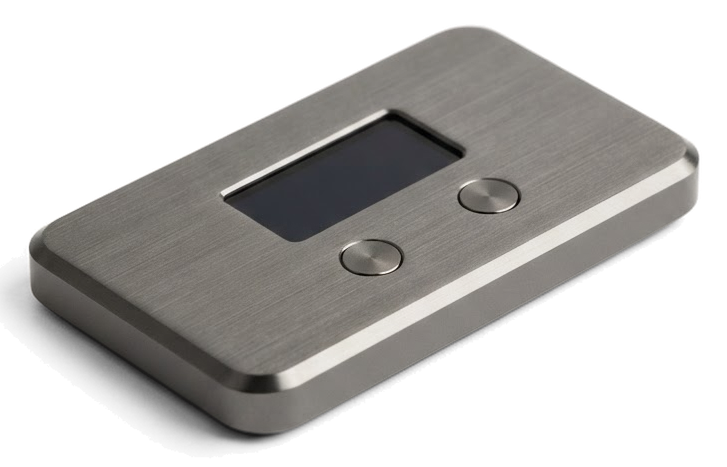
Ledger Live Desktop is the computer-based companion used to view supported accounts and organize everyday wallet activity. It brings balances, account details, and transaction history into one interface; a compatible hardware wallet provides a separate place to review and approve actions.
This guide is informational and independent. Features and screens can change between releases, and supported assets or services may vary by region. Always confirm current details in the application and on the device itself before acting.
A calm setup starts before the installer does. Prepare your environment, device, and expectations first.
Use a computer you control, with its operating system and browser kept current. Avoid shared or public machines, and close unfamiliar remote-access tools before handling wallet activity.
Your recovery phrase belongs offline and under your control. You should not need to type it into a desktop app, website, chat, or support conversation to use a companion interface.
Have your hardware device, its cable, and a stable internet connection ready. Give yourself time to read prompts carefully; rushing a first setup makes it easier to overlook details.
A useful place to get oriented
Start from the publisher’s verified source. Use the desktop to organize and review; confirm sensitive actions on your hardware device.
Download only from the publisher’s verified source. Check compatibility and follow the installer prompts; avoid files delivered through unsolicited messages or ads.
Unlock your device and connect it directly. Follow both displays, approving only details that match your intent. Pause if something looks unexpected.
Explore before acting. The dashboard summarizes your portfolio, account views show asset details, and activity lists transactions. Screens may change with updates.
Security practices · A deliberate check at every step
Your computer is a convenient view, not the final authority. Read the destination and amount on the device, and approve only when details match your intent.
Match transaction details on the trusted device display. A computer preview alone is not a substitute for that check.
Balances and account activity can be sensitive. Keep your screen private and avoid sharing screenshots or account details casually.
Open trusted sources yourself. Never disclose your recovery phrase, including to someone claiming to offer help.
Think of the application as an organized view into activity, with the device as the hands-on checkpoint.
Use the overview and account views to navigate supported features and review activity.
Accounts group asset information; add or refresh through current app guidance.
Values are estimates that move with markets and pricing sources.
Review status and history; timing depends on the network.
Check details on the device before approving any sensitive action.
Protect account information and keep your computer access private.
Safeguard recovery information offline, never inside the desktop workflow.
Navigate to known sources yourself; distrust unexpected links and requests.
↗ A visible balance is a helpful view, not a guarantee of market value, availability, or transaction timing.
A recovery phrase can restore wallet access. Anyone who obtains it may act as its owner. Write it down following device instructions and store it privately and securely.
Never photograph it, save it in cloud storage, enter it into Ledger Live Desktop, or share it. If a prompt asks for it, stop and verify independently.
Keep the application and operating system current. Prefer updates offered by the installed app or verified publisher source; review release notes and store recovery information safely before device maintenance.
Never follow surprise download links or enter recovery words to update. If unsure, find publisher help independently.
See the final checklistWhen in doubt, pause before approving.
No. The app organizes supported account activity; the separate hardware device is used to review and approve certain actions.
No. Keep it offline and private. Never enter it into the app, a website, or support chat; an unexpected request is a reason to stop.
Values reflect changing prices and data sources. Transaction timing varies by network; check its status and transaction details.
Do not approve it. Keep your recovery phrase private and consult trusted product documentation before retrying.
Small, repeatable checks make a better habit than a rushed last click.
I opened the app from a source I trust.
My computer and device are in my control.
I checked sensitive details on the device.
I have not shared or entered recovery words.
I paused when anything felt unexpected.
Independent educational guide. This page is not affiliated with, endorsed by, or operated by Ledger. It is not financial, investment, or technical support advice. Product interfaces and supported features may change; consult current product documentation and make decisions carefully.
Visit Ledger